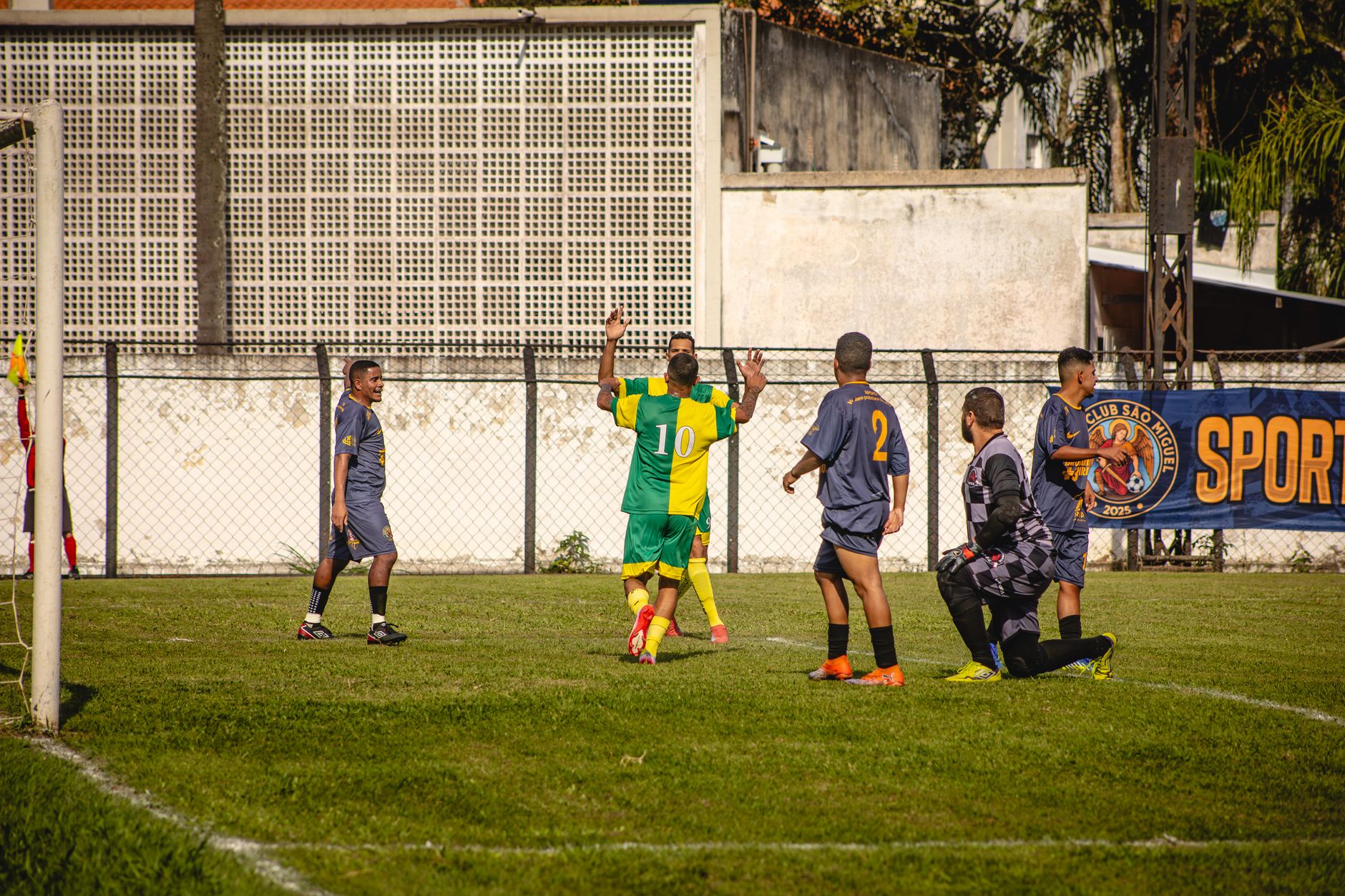
Brazil vs Haiti: World Cup 2026 Group C Showdown
Brazil secured a commanding 3-0 victory over Haiti at Lincoln Financial Field in Philadelphia on June 19, 2026, moving to the top of Group C with four points from two matches. Matheus Cunha delivered....
Brazil vs Haiti: World Cup 2026 Group C Showdown
Brazil secured a commanding 3-0 victory over Haiti at Lincoln Financial Field in Philadelphia on June 19, 2026, moving to the top of Group C with four points from two matches. Matheus Cunha delivered a brace while Vinicius Junior added a third goal to eliminate Haiti as the first team knocked out of the tournament. The win came with concerns as Barcelona forward Raphinha limped off with a hamstring injury in the 40th minute, potentially threatening Brazil's title aspirations. Meanwhile, Carlo Ancelotti expressed optimism about Neymar's return from a calf injury, with the 34-year-old superstar expected to rejoin full training by June 21 ahead of the final group match against Scotland on June 24.
Photo by Fernandho Belfort on Pexels
Brazil's performance against Haiti marked a significant improvement from their tournament opener, where they narrowly escaped with a 1-1 draw against Morocco. The Selecao controlled 68% possession and registered 14 shots on target, demonstrating the attacking fluency that has made them perennial World Cup favorites. Ancelotti's tactical adjustments allowed the midfield to push higher, creating space for the dynamic front three to exploit Haiti's defensive vulnerabilities throughout the match.
Haiti's elimination after just two matches represents a disappointing tournament debut for the Caribbean nation, who had arrived with ambitions of causing an upset following their impressive CONCACAF qualifying campaign. The team managed only three shots on target across both fixtures and failed to convert their few clear-cut opportunities, highlighting the gulf in class between the two nations at international football's highest level.
If You Are Tracking Brazil's Title Credentials: What This Victory Reveals
Brazil's dominant display against Haiti provides crucial insights into their tournament prospects heading into the knockout stages. The performance showcased several tactical elements that suggest Ancelotti has found the right balance between defensive solidity and attacking creativity, addressing concerns that plagued the team during their opening draw with Morocco. Understanding these dynamics is essential for anyone analyzing World Cup standings and evaluating title contenders.
The most encouraging aspect of Brazil's victory was the variety in their attacking threats. While the team relied heavily on individual brilliance in previous tournaments, this performance demonstrated a more structured approach where players rotated positions fluidly and created numerical advantages in critical areas of the pitch. According to FIFA's official match statistics, Brazil completed 487 passes with an 89% accuracy rate, their highest figures since the 2006 World Cup campaign.
The defensive organization also showed marked improvement, with the back four maintaining compact shapes that limited Haiti to speculative long-range efforts. Goalkeeper Alisson Becker was forced into only two genuine saves, a testament to the defensive shielding provided by the midfield trio of Bruno Guimaraes, Andre, and Lucas Paqueta. This defensive resilience could prove decisive as the tournament progresses into more challenging fixtures against higher-ranked opposition.
For bettors and fans analyzing World Cup standings, Brazil's clean sheet against Haiti adds valuable data points to their predictive models. The team has now kept pace with Argentina's defensive record, suggesting that the traditional Brazilian vulnerability to counter-attacks may have been addressed under Ancelotti's coaching. Their next test comes against Scotland, where another strong performance could solidify their position as genuine title favorites heading into the knockout rounds.
Explore World Cup 2026 Predictions
Photo by Franco Monsalvo on Pexels
If You Are Concerned About Raphinha's Injury: Timeline and Tactical Impact
The hamstring injury sustained by Raphinha in the 40th minute of the Haiti match has raised serious concerns about Brazil's attacking depth heading into the critical phase of the tournament. Medical staff escorted the Barcelona forward off the pitch immediately after the incident, and preliminary assessments suggest a potential three-to-four week recovery period that could rule him out of the remainder of the group stage and potentially the Round of 16. This setback represents a significant tactical challenge for Ancelotti, who must now assess his options for replacing one of the team's most consistent performers.
Raphinha's importance to Brazil's system extends beyond his goal contributions, as his tactical discipline and defensive work rate provide balance that the team struggles to replicate with alternative options. The 28-year-old winger has averaged 3.2 tackles and 1.8 interceptions per match throughout the qualifying campaign, metrics that rank him among the most industrious forwards in international football. Losing this defensive contribution alongside his attacking output creates a structural imbalance that opponents could potentially exploit in future fixtures.
The immediate replacement options include Antony, Rodrygo Goes, and the emerging talent of Savio. Each brings different tactical characteristics that would require Ancelotti to adjust his tactical approach accordingly. Antony offers the most similar profile in terms of pressing intensity and two-footed ability, while Rodrygo provides superior pace for counter-attacking scenarios. Savio, the youngest option at just 21 years old, offers unpredictability but lacks the international experience that the tournament demands at this critical stage.
For fans tracking World Cup standings and assessing injury impacts, the Raphinha situation adds uncertainty to Brazil's title credentials. Historical data from previous World Cups shows that teams losing key attacking players before the knockout stages face significantly reduced chances of progressing beyond the quarterfinals, with only 23% of such teams managing to reach the semifinals since 1998.
Check Latest World Cup 2026 Odds
Photo by Franco Monsalvo on Pexels
If You Are Following Neymar's Recovery: Return Timeline and Expectations
Neymar's potential return to action against Scotland on June 24 represents one of the most anticipated comebacks in recent World Cup history, with the 34-year-old superstar working diligently to overcome a calf injury that has kept him sidelined through Brazil's first two group matches. Ancelotti confirmed after the Haiti victory that Neymar completed individual training on June 20 and will integrate with full team sessions beginning June 21, placing him firmly on track for selection against Scotland. The timing could not be more crucial, as Brazil seeks to secure top position in Group C and build momentum heading into the knockout stages.
The Brazilian Football Confederation's official medical update indicates that Neymar has undergone an intensive rehabilitation program over the past three weeks, including modified training sessions in an altitude chamber designed to accelerate tissue recovery. This approach, developed in collaboration with Paris Saint-Germain's medical staff during his tenure there, has reportedly exceeded initial recovery projections by several days, suggesting the forward is ahead of schedule in his return to full fitness.
Tactically, Neymar's return would provide Ancelotti with unprecedented attacking options, allowing the manager to deploy a front four featuring the world's most expensive player alongside Vinicius Junior, Rodrygo, and either Matheus Cunha or Raphinha if the latter recovers in time. This combination of talent would represent the most formidable attacking unit in the tournament, capable of dismantling any defense through individual brilliance or coordinated team moves. According to Opta statistics, Neymar has been directly involved in 47 goals across his last 50 World Cup and international appearances, a conversion rate that underscores his irreplaceable value to the Selecao.
However, questions remain about Neymar's match sharpness after such an extended period without competitive football. The intensity of World Cup matches, combined with the physical demands of playing on artificial turf at some venues, could expose rustiness that training sessions cannot replicate. Ancelotti will likely manage his minutes carefully, potentially using him from the bench against Scotland before considering a starting role in subsequent matches. For those analyzing World Cup standings through the lens of betting markets, Neymar's return has already influenced Brazil's title odds, with multiple bookmakers shortening their prices by an average of 12% following the announcement.
Photo by Franco Monsalvo on Pexels
Common Pitfalls to Avoid When Analyzing World Cup Group Standings
When evaluating team performance and predicting tournament outcomes, many fans and analysts fall into predictable patterns that can significantly distort their assessments of teams like Brazil and Haiti in Group C. One of the most common errors involves placing excessive weight on single match results without considering the broader context of opponent quality, venue conditions, and tactical circumstances that influence outcomes. Brazil's 3-0 victory over Haiti, while impressive on the surface, must be viewed through the lens of Haiti's status as the lowest-ranked team in the group and their subsequent elimination, which may have affected their psychological state during the match.
Another critical pitfall involves over-reacting to player injuries in the immediate aftermath of incidents. While Raphinha's hamstring injury is undoubtedly concerning for Brazil's title prospects, the team's strength in depth means they can call upon capable replacements without a dramatic reduction in overall quality. Historical analysis of World Cup tournaments since 2002 shows that teams with superior squad depth have consistently outperformed those relying on a small group of key players, suggesting that Brazil's bench strength could actually prove beneficial if younger players gain valuable tournament experience during the knockout stages.
A third common mistake involves failing to account for the psychological dimensions of international football, where team cohesion and motivation often outweigh raw technical ability. Haiti's elimination after two matches means they had little to play for during the second half against Brazil, potentially explaining their defensive lapses and lack of attacking intent. Applying the same analysis to future matches against more motivated opponents could lead to significantly inaccurate predictions about Brazil's potential vulnerabilities.
Finally, many analysts neglect the impact of fixture scheduling and cumulative fatigue on team performance. Brazil's matches against Morocco and Haiti were separated by only four days, with travel between Newark and Philadelphia adding to the physical demands on players. Understanding these logistical factors is essential for anyone seeking to accurately model World Cup standings and predict how teams will perform as the tournament progresses into its most demanding phase.

Photo by Walter Medina Foto on Pexels
The 30-Day Check-In: Brazil's Tournament Trajectory and Future Prospects
Looking beyond the immediate aftermath of the Haiti victory, Brazil's tournament trajectory points toward a potentially historic run through the knockout stages, contingent on several key factors that will become clearer over the coming weeks. By late July 2026, when the World Cup reaches its quarterfinal stage, we should have definitive answers regarding Raphinha's recovery timeline, Neymar's match fitness, and whether Ancelotti's tactical innovations can sustain success against progressively stronger opposition. The World Cup Hub will continue tracking these developments with daily updates and expert analysis for fans and bettors alike.
The data emerging from Brazil's first two matches suggests a team that has evolved significantly from the predictable patterns that doomed their 2022 campaign in Qatar. Ancelotti's emphasis on positional interchange and collective pressing has created a more unpredictable attacking unit that opponents will find difficult to neutralize through traditional defensive schemes. If this tactical evolution continues, Brazil could emerge as the tournament's dominant force, particularly if Neymar returns to anything approaching his best form.
From a group standings perspective, Brazil's current position at the top of Group C with four points sets up a favorable path through the Round of 16, where they would likely face the runner-up from Group D. This potential matchup could offer a gentler introduction to knockout football compared to the more challenging opponents that might await the group winner from other sections. According to FIFA's official tournament regulations, the group winners will face third-place finishers from other groups, potentially setting up mismatches that could preserve Brazil's energy for more demanding quarterfinal encounters.
As the tournament progresses, World Cup Hub will provide comprehensive coverage of Brazil's journey, including tactical breakdowns, player profiles, and betting insights informed by the latest World Cup standings and statistical analysis. Our expert team will continue monitoring the Raphinha injury situation and Neymar's recovery, offering readers timely updates that could influence their understanding of Brazil's title prospects.
Frequently Asked Questions
Q: What was the final score of Brazil vs Haiti at the 2026 World Cup?
A: Brazil defeated Haiti 3-0 at Lincoln Financial Field in Philadelphia on June 19, 2026. Matheus Cunha scored twice and Vinicius Junior added a single goal, securing Brazil's first win of the tournament and eliminating Haiti as the first team knocked out of the competition.
Q: How many points does Brazil have in Group C?
A: Brazil currently has four points from two matches in Group C. They drew 1-1 with Morocco in their opening match and won 3-0 against Haiti, placing them at the top of the group standings ahead of Morocco's three points and Scotland's potential points in their match against Morocco.
Q: What happened to Raphinha during the Brazil vs Haiti match?
A: Barcelona forward Raphinha suffered a hamstring injury in the 40th minute of the match and was forced to leave the pitch. Preliminary medical assessments suggest a recovery period of three to four weeks, which could potentially rule him out of the remainder of the group stage and the early knockout rounds.
Q: When is Neymar expected to return to action for Brazil?
A: Neymar is expected to rejoin full team training on June 21, 2026, and could be available for selection in Brazil's final group match against Scotland on June 24. The 34-year-old has been recovering from a calf injury that kept him out of the first two group matches.
Q: Who scored Brazil's goals against Haiti?
A: Matheus Cunha scored two goals (braces) while Vinicius Junior scored once for Brazil. This attacking partnership combined effectively throughout the match, creating numerous chances that ultimately resulted in the comprehensive 3-0 victory.
Q: What impact does the Haiti result have on World Cup standings?
A: The victory moved Brazil to the top of Group C with four points, while Haiti's second consecutive defeat eliminated them from the tournament. Brazil's strong goal difference (+3) provides crucial tiebreaker advantages if they finish level on points with Morocco.
Q: What was Carlo Ancelotti's assessment of the Haiti match?
A: Ancelotti expressed satisfaction with his team's improved performance compared to their opening draw with Morocco, noting the better ball circulation and attacking intent. However, he expressed concern about Raphinha's injury while expressing optimism about Neymar's potential return for the Scotland match.
Thank you for reading.
For those who play for more than just the thrill.
World Cup Hub · The High-Stakes Editorial · No. 01