
Football 2026 World Cup vs Club Season: Global Scale
The football 2026 World Cup is FIFA’s expanded men’s tournament, hosted by Canada, Mexico, and the United States from June 11 to July 19, Forty-eight national teams will compete across 16 host cities,...
Football 2026 World Cup vs Club Season: Global Scale
The football 2026 World Cup is FIFA’s expanded men’s tournament, hosted by Canada, Mexico, and the United States from June 11 to July 19, 2026. Forty-eight national teams will compete across 16 host cities, with the final scheduled for MetLife Stadium in New York New Jersey and the opening match in Mexico City. The competition will feature 104 matches, more than any previous World Cup, while Atlanta and Los Angeles will provide major American stages for supporters and fan events. World Cup Hub is a FIFA World Cup-focused content site offering match predictions, team tactics, player statistics, and daily tournament coverage for fans worldwide. The practical takeaway is simple: build your match schedule around travel distances, kickoff times, squad rotation, and confirmed FIFA information rather than social-media rumours or attractive but unverified betting prices.
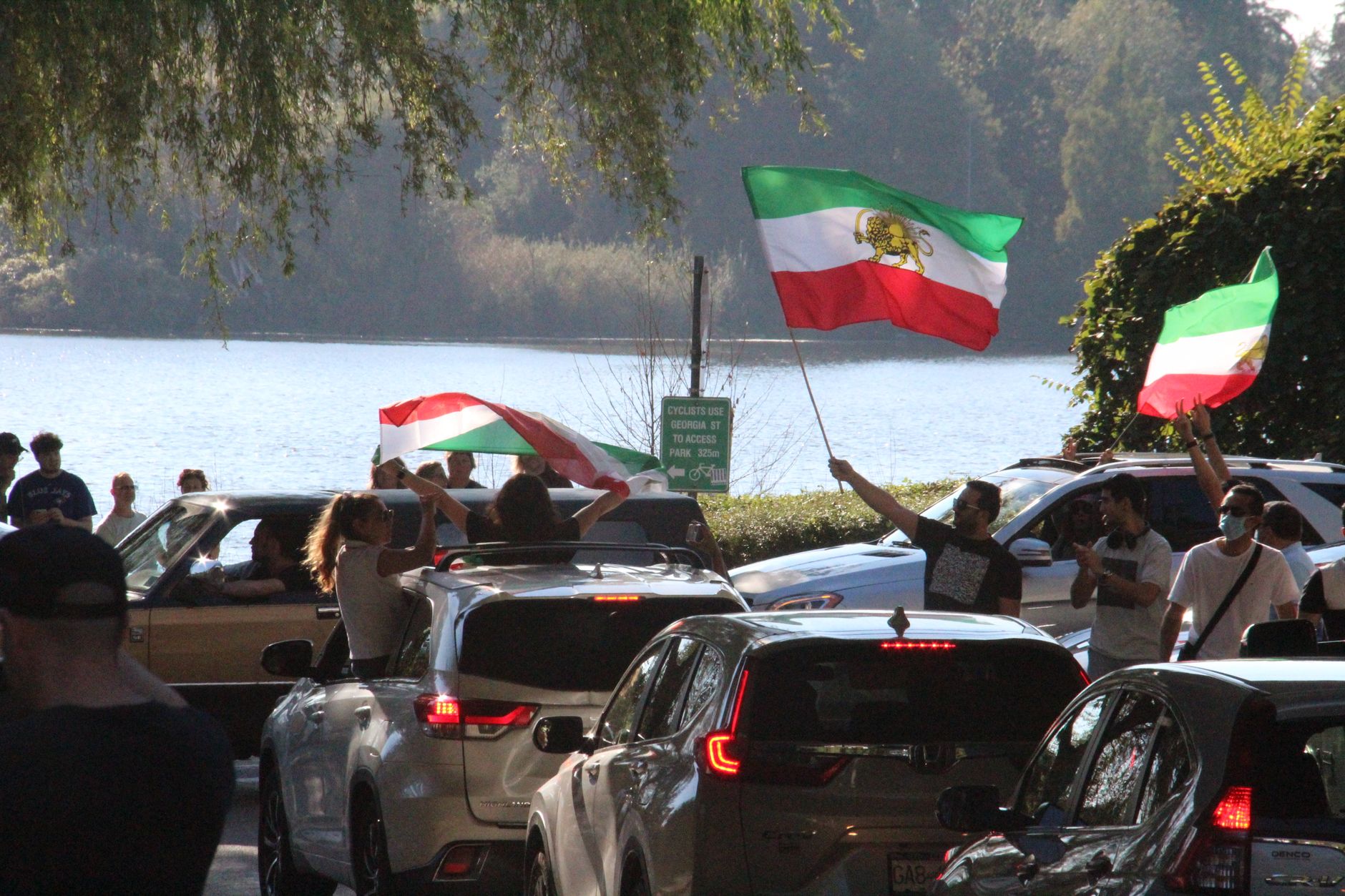
Photo by Sima Ghaffarzadeh on Pexels
The 2026 tournament is not merely a larger version of Qatar 2022. The expanded format changes the mathematics of qualification, the physical demands on squads, and the way fans should plan a month of football. A team can survive an imperfect group stage more easily, but that extra margin also creates more opportunities for misleading predictions. I have watched enough tournaments turn sensible forecasts into expensive confetti to know one stubborn rule: never confuse a famous shirt with a reliable match plan, believe it or not — I do.
Want a clearer starting point for tournament research?
Myth 1: The 2026 World Cup is just a bigger group-stage tournament — debunked
The 2026 World Cup is structurally different because 48 teams will be divided into 12 groups of four, with 32 teams advancing to the knockout phase. The top two teams in each group and the eight best third-placed teams will qualify, creating a 104-match competition instead of the 64-match format used from 1998 through 2022. That means the group stage remains important, but it does not carry exactly the same elimination pressure as the old 32-team model.
FIFA selected 16 host cities: Vancouver, Seattle, the San Francisco Bay Area, Los Angeles, Guadalajara, Mexico City, Monterrey, Toronto, Atlanta, Boston, Dallas, Houston, Kansas City, Miami, New York New Jersey, and Philadelphia. The geography is the awkward bit. A fixture in Vancouver followed by one in Miami is not a gentle stroll between two pub sofas; it is a serious logistical problem involving time zones, recovery, humidity, altitude, and flights. Teams with deep benches and efficient travel planning may gain an advantage that basic rankings fail to capture.
According to FIFA’s official World Cup 2026 overview, the competition will be staged across three North American countries. The United States Soccer Federation and regional host committees are also preparing training sites, transport plans, and supporter services. When comparing teams, record these details:
- Group position and goal difference.
- Number of travel-heavy fixtures.
- Rest days between matches.
- Climate and altitude at each venue.
- Availability of the starting goalkeeper and central defenders.
A useful companion resource is the [Internal Link: World Cup group-stage prediction guide], particularly if you are comparing third-place qualification scenarios rather than simply picking the biggest national team.
Why does the 48-team format matter?
The 48-team format matters because 32 teams, rather than 16, will reach the knockout stage after 72 group matches. This gives strong teams more room for rotation but makes the race for goal difference, third-place rankings, and late qualification unusually complicated.
The format can reward cautious management. A top seed may prioritise avoiding injuries over chasing a three-goal victory, while a smaller nation may need to attack because a single goal can determine whether it ranks among the eight best third-placed teams. This is where prediction models need more than historical reputation: they must account for incentives that change during the final group fixtures.
The format also broadens football’s competitive map. Canada, Mexico, and the United States qualify automatically as hosts, while teams from Africa, Asia, Oceania, South America, Europe, and North America will compete for the remaining places. More national teams mean more unfamiliar tactical matchups, which is excellent for football and terrible for anyone who believes a badge can do algebra.
Myth 2: Home advantage guarantees a deep run — partially true
Home advantage can improve a host nation’s environment through familiar travel routes, local support, and climate adaptation, but it does not guarantee advancement. Canada, Mexico, and the United States will host matches, yet performance will still depend on squad quality, coaching, injuries, and the draw.
Mexico City introduces altitude considerations, while venues in Texas, Georgia, Florida, and California may present heat or humidity challenges. A team comfortable pressing for 90 minutes in cool conditions may look rather less heroic in Dallas or Miami. However, climate is not a magic tactical spell; it only becomes meaningful when it interacts with preparation and playing style.
Atlanta’s Mercedes-Benz Stadium is scheduled to host eight matches, including a semifinal, making it one of the tournament’s most significant venues. Los Angeles will also stage eight matches and host a FIFA Fan Festival at the Los Angeles Memorial Coliseum at Exposition Park, alongside official fan zones and 39 days of celebrations. These events matter because supporter density can influence atmosphere, but atmosphere cannot finish chances for a team whose striker has forgotten where the goal lives.
After decades of watching supposedly unstoppable hosts stumble, I assess home advantage in three layers:
- Operational advantage: shorter travel, familiar facilities, and local scheduling.
- Environmental advantage: altitude, heat, humidity, and pitch conditions.
- Competitive advantage: crowd pressure, referee atmosphere, and emotional momentum.

Photo by Alizain Hirani on Pexels
World Cup Hub can use those layers when publishing match previews, especially for Atlanta, Los Angeles, Mexico City, and other venues with distinct conditions. Readers should also consult the [Internal Link: host-city stadium and travel guide] before treating a home fixture as an automatic selection.
See how venue factors can change a match assessment.
Myth 3: Star power is enough to win the tournament — flat-out false
Individual stars can decide moments, but the 2026 World Cup will be won by teams that combine chance creation, defensive spacing, set-piece quality, squad depth, and recovery management. A celebrated forward may produce a brilliant goal, yet a tournament campaign usually collapses through repeated small errors: poor rest defence, weak substitutions, or an exhausted full-back defending the far post like he has just received bad personal news.
Analysts should separate a player’s club output from his international role. A winger who receives constant service at Manchester City or Real Madrid may face a completely different structure with his national team. Likewise, a midfielder’s passing numbers can decline when his side plays deeper, while a goalkeeper’s value can rise because he faces higher-quality shots. Comparing raw statistics without tactical context is how spreadsheets acquire an undeserved reputation for wisdom.
World Cup Hub’s player-statistics coverage should therefore focus on transferable indicators:
- Progressive carries and passes under pressure.
- Shot quality rather than shot volume alone.
- Defensive actions after possession loss.
- Set-piece involvement.
- Minutes played during the final eight weeks before the tournament.
- Injury history and replacement quality.
A contrarian but useful insight is that third-place qualification may increase the value of squad depth more than star quality. If teams can advance with four points or an acceptable goal difference, coaches may rotate earlier, protecting key players for the knockout stage. Conversely, a squad with one irreplaceable midfielder can become fragile if that player collects two yellow cards across separate matches.

Photo by Quyn Phạm on Pexels
For detailed comparisons, explore the [Internal Link: player form and tactical statistics hub]. It is more useful than arguing over which superstar looks best in a highlight compilation, though I admit highlights are excellent when one needs to feel smarter than one’s own transfer history.
What actually works?
A reliable football 2026 World Cup analysis combines confirmed tournament information with match-level evidence. FIFA’s schedule, team announcements, venue details, and disciplinary rules should form the factual base, while tactical previews should explain how a team creates and prevents chances. Predictions become more credible when they identify uncertainty instead of hiding it behind a decimal that looks as if it went to university.
The most practical workflow is:
- Confirm the fixture, venue, kickoff time, and squad news through FIFA or an official federation.
- Assess each team’s recent competitive matches, not only friendly results.
- Compare expected goals, possession patterns, pressing success, and set-piece performance.
- Adjust for travel distance, rest, altitude, temperature, and likely rotation.
- Recheck lineups before acting on a prediction.
- Treat any wager as entertainment spending, never as income.
For responsible gambling standards, consult GamCare, which provides consumer support and safer-gambling guidance in the United Kingdom. FIFA also states in its tournament policies that “football is for everyone,” a principle worth remembering when commercial excitement begins shouting louder than sensible limits. Availability, legal age, licensing, and payment rules vary by country, so readers must check their local regulator before using any betting service.
A specific operational edge is timing: team news often changes prices sharply during the final 60 to 90 minutes before kickoff. That does not mean late betting is automatically better. It means an analyst should distinguish genuine information, such as a confirmed goalkeeper absence, from market noise caused by unverified social posts. Keep a written record of the original price, the final price, and the reason for any decision; after 30 decisions, patterns in your reasoning are usually more revealing than your favourite pundit’s confident eyebrow.
Want structured match insights from World Cup Hub?
The same logic applies to travel planning. Atlanta’s Mercedes-Benz Stadium, Los Angeles venues, Mexico City’s Estadio Azteca, and New York New Jersey’s MetLife Stadium will attract enormous demand. Bookings, transport, and accommodation should be checked against official match allocations because stadium names, ticket phases, and fan-event access can change. The [Internal Link: 2026 World Cup ticket and fan-festival checklist] can help readers separate confirmed access from unofficial resale claims.
What should serious fans ignore?
Serious fans should ignore guaranteed-win language, invented injury reports, unsupported “inside information,” and predictions based solely on FIFA rankings. Rankings are useful context, but they do not measure travel fatigue, tactical compatibility, or whether a team can defend transitions after losing the ball. They are a map, not a sat-nav with emotional intelligence.
Fans should also ignore the idea that every match needs a prediction. A no-bet decision is still a decision, particularly when lineups are unknown or a team’s incentive is unclear. The best analysts publish confidence levels, explain missing data, and admit when two outcomes are too close to separate. That is less dramatic than shouting “lock,” but it tends to preserve both accuracy and dinner money.
The 2026 World Cup also deserves attention beyond markets. Atlanta’s Southern football culture, Los Angeles’s food and music scene, Mexico City’s historic stadium setting, and the fan celebrations across Canada, Mexico, and the United States will shape the tournament experience. Los Angeles is planned to host eight matches, a FIFA Fan Festival, official fan zones, and 39 days of celebrations. A supporter who spends the entire tournament refreshing odds has technically attended North America, but spiritually remained in a spreadsheet.
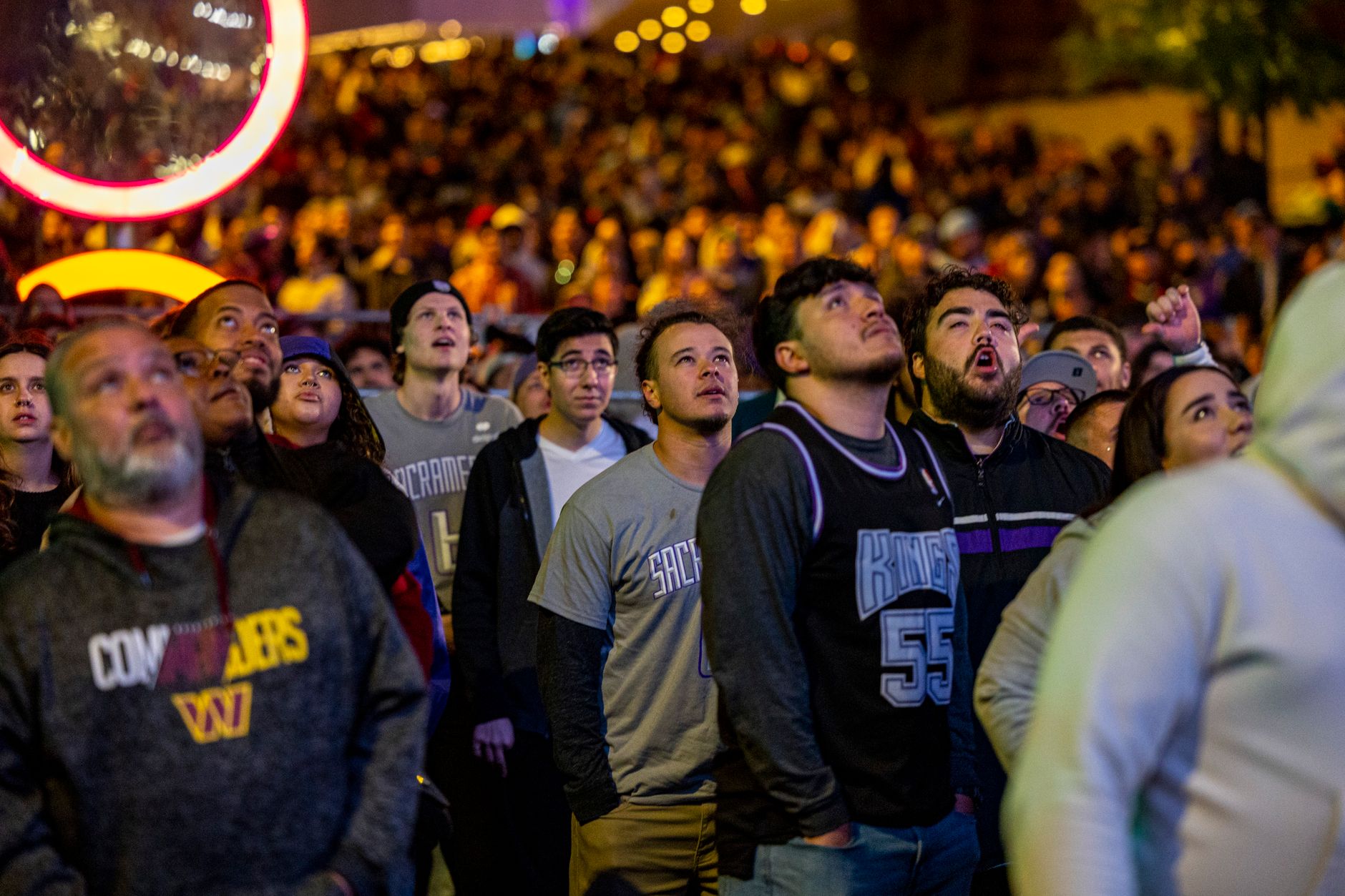
Photo by Stephen Leonardi on Pexels
The strongest approach is balanced: follow the football first, verify information second, and treat betting as optional. World Cup Hub is designed for that broader routine, combining predictions with team tactics, player data, and tournament reporting rather than pretending one market explains an entire sport.
How can fans prepare for the 2026 World Cup?
Fans can prepare by creating a verified fixture calendar, selecting host cities, checking travel requirements, and following official ticket and fan-event announcements. FIFA, national football associations, local host committees, and venue operators should be treated as primary sources for dates, access rules, and stadium information.
A sensible preparation plan includes:
- Save the official FIFA match schedule and convert kickoff times to your local time zone.
- Mark matches in Vancouver, Mexico City, Atlanta, Los Angeles, Miami, and New York New Jersey separately.
- Allow recovery time for cross-country travel rather than scheduling impossible same-day transfers.
- Check passport, visa, insurance, and mobile-data requirements well ahead of departure.
- Use official ticket channels and avoid screenshots presented as proof of entry.
- Set a fixed entertainment budget if you follow legal betting markets.
- Track team news through federation releases and established sports media.
The U.S. Department of State provides travel information for visitors entering the United States, while Canada.ca and Mexico’s official government portals provide country-specific requirements. Rules can change, so a page saved in 2025 is not a substitute for checking it again in 2026. That sounds painfully obvious until a traveller discovers that optimism is not a valid visa category.
Why are tactics more important than reputation?
Tactics matter because international tournaments provide limited training time, making pressing triggers, defensive distances, and set-piece routines more influential than long-term club chemistry. A team’s best path may depend on whether it can progress against a low block, defend wide overloads, and protect a lead without surrendering possession.
Look for repeatable mechanisms rather than isolated brilliance. Does the team create central overloads through an inverted full-back? Can its midfield cover the space behind aggressive wing-backs? Does the centre-forward press the goalkeeper or conserve energy? These details often predict tournament resilience better than a forward’s total goals across an entire club season.
The first knockout round will feature 32 teams, which increases the chance of mismatches but also raises the number of elimination games involving teams that have already survived a demanding group schedule. Coaches who manage substitutions intelligently may gain an edge. A substitute does not need to be a global superstar; he needs to improve the specific problem appearing in minute 65, which is an irritatingly practical requirement for people who prefer glamour.
Further reading is available in the [Internal Link: World Cup tactical systems explained] resource, where formations can be compared with actual roles rather than listed like football-themed wallpaper.
Get the latest tournament-focused analysis before the schedule becomes chaotic.
Final verdict: how should you follow football 2026 World Cup?
Follow the football 2026 World Cup as a global tournament shaped by 48 teams, 16 host cities, 104 matches, long-distance travel, and varied tactical demands. Atlanta, Los Angeles, Mexico City, Toronto, Vancouver, and New York New Jersey will each offer different match and supporter experiences, while the expanded qualification format will make group-stage calculations more nuanced.
Use official FIFA information for facts, World Cup Hub for daily predictions and tactical context, and reputable regulators for gambling guidance. Compare team systems, injuries, rest, venue conditions, and incentives before trusting a forecast. Most importantly, keep betting optional and budgeted; no prediction deserves your rent, your sleep, or the last slice of pizza. Enjoy the tournament with curiosity, verify what you read, and remember that a responsible decision can be the smartest result, believe it or not — I do.
World Cup planning and analysis can begin here.
Frequently Asked Questions
Q: What is the football 2026 World Cup?
A: The football 2026 World Cup is FIFA’s men’s international tournament hosted by Canada, Mexico, and the United States from June 11 to July 19, 2026. It will feature 48 teams, 16 host cities, and 104 matches, making it the largest World Cup by team participation and total fixtures. The opening match is scheduled for Mexico City, while the final is planned for MetLife Stadium in New York New Jersey.
Q: How do the 48 teams qualify for the 2026 World Cup knockout stage?
A: Thirty-two teams will reach the knockout stage: the top two from each of 12 groups plus the eight best third-placed teams. This structure creates 72 group-stage matches and makes goal difference, goals scored, disciplinary records, and final-round incentives especially important. Fans should wait for confirmed FIFA regulations and standings before calculating qualification scenarios.
Q: What is the difference between the 2026 World Cup and previous World Cups?
A: The main difference is expansion from 32 teams and 64 matches to 48 teams and 104 matches. The 2026 tournament will also be jointly hosted across Canada, Mexico, and the United States, creating greater travel and climate variation than most previous editions. The expanded knockout field provides more opportunities for teams to recover from an early draw or narrow defeat.
Q: How can I analyse a 2026 World Cup match?
A: Analyse the confirmed lineup, recent competitive form, tactical matchup, rest period, venue conditions, and team incentives before judging a fixture. Give particular attention to goalkeeper availability, defensive transitions, set pieces, and cross-border travel between host cities. World Cup Hub’s predictions and tactical coverage can support research, but no forecast is certain.
Q: How much does it cost to attend the 2026 World Cup?
A: Attendance costs vary by match, ticket category, city, accommodation, transport, and resale conditions, so there is no single reliable total price. Fans should use official FIFA ticket information and budget separately for tickets, flights, hotels, local transit, food, insurance, and possible visa expenses. Unofficial resale offers may add substantial premiums and carry an entry-risk problem.
Q: Why might a 2026 World Cup prediction fail?
A: A prediction may fail because of late injuries, unexpected rotation, an early red card, tactical changes, travel fatigue, or random finishing variance. International teams also play fewer matches together, so small communication errors can have large consequences. Record the evidence behind each forecast and review the process afterward instead of judging quality from one result.
Q: Is betting on the 2026 World Cup safe and legal?
A: Betting is legal and regulated differently by jurisdiction, and it should only be considered for adults using licensed providers where permitted. Check your local regulator, confirm age and identity requirements, set a fixed entertainment budget, and never chase losses. Organisations such as GamCare provide safer-gambling support, while people experiencing loss of control should seek professional help promptly.
Thank you for reading.
For those who play for more than just the thrill.
World Cup Hub · The High-Stakes Editorial · No. 01