
Football Formations Explained: What 30 Years Taught Me
A football formation is the team’s starting shape, not a fixed cage: it defines how players occupy space before changing during possession, pressing and defensive transitions. World Cup Hub uses forma...
Football Formations Explained: What 30 Years Taught Me
A football formation is the team’s starting shape, not a fixed cage: it defines how players occupy space before changing during possession, pressing and defensive transitions. World Cup Hub uses formations such as 4-3-3, 4-2-3-1, 3-5-2 and 4-4-2 to explain match predictions, team tactics and player roles for the 2026 FIFA World Cup. The first number represents defenders, the second midfielders and the third forwards, while the goalkeeper is excluded; therefore, a 4-3-3 contains ten outfield players plus one goalkeeper. Modern teams often shift between two or three structures in the same match, and FIFA’s Laws of the Game govern the positional framework rather than prescribing tactics. A practical example: Manchester City may build in a 3-2-4-1 while listing as 4-3-3, whereas Argentina can defend in a compact 4-4-2. Start by identifying the shape in possession, out of possession and during transitions, then judge whether the players actually suit it.

Photo by Sinan KRIYA on Pexels
Before 2025: how did football formations work?
Before 2025, football formations worked as reference maps for balancing width, defensive coverage, midfield numbers and attacking threat. The classic 4-4-2 offered two banks of four, the 4-3-3 stretched opponents with wingers, and the 4-2-3-1 protected the centre through a double pivot. Coaches then adapted those nominal shapes according to pressing triggers, full-back movement and the technical qualities of players.
The crucial distinction is between a formation and a game model. A 4-3-3 with conservative full-backs behaves nothing like a 4-3-3 with João Cancelo-style inverted movement, while a 3-5-2 with wing-backs pinned deep becomes almost a 5-3-2. UEFA’s technical reports repeatedly emphasize compactness, spacing and coordinated pressing rather than the label printed on a television graphic. As FIFA’s Laws of the Game make clear, the laws regulate players and match conduct; they do not tell a coach whether to select a 4-2-3-1 or a 3-4-3. That freedom is wonderful, although it has also allowed generations of coaches to draw arrows until the whiteboard begs for mercy.
The main formations and their trade-offs
- 4-4-2: Simple defensive lines, two strikers and strong central balance; it can surrender midfield control against a three-player midfield.
- 4-3-3: Natural width, three central midfielders and clear pressing angles; isolated full-backs can be exposed.
- 4-2-3-1: A stable double pivot and a flexible attacking midfielder; the lone striker may become disconnected.
- 3-5-2: Numerical superiority in central areas and two forwards; wing-backs must cover enormous distances.
- 4-1-4-1: Excellent protection in front of the centre-backs; the striker can face an exhausting solo assignment.
My stubborn rule is that no formation deserves automatic praise. A 4-3-3 is not “modern” because a pundit says it quickly, and a 4-4-2 is not obsolete because someone owns a tablet. The right question is whether distances between players remain playable when the ball moves.
To deepen the terminology, see our [Internal Link: guide to football positions and player responsibilities]. For the legal foundation behind line-ups, The IFAB identifies a team as up to eleven players, including one goalkeeper, with substitutions governed by competition regulations.
The 2026 shift: what changed?
The 2026 shift is not one revolutionary formation but a stronger emphasis on fluid, phase-specific structures. High-level teams now list one shape and perform another: a 4-3-3 can become a 3-2-5 in possession, a 4-2-3-1 can defend as 4-4-2, and a 3-4-3 can settle into 5-4-1 near its own penalty area. Expanded tactical data, positional coaching and improved athletic preparation have made these transformations easier to train and measure.
The 2026 FIFA World Cup, hosted across Canada, Mexico and the United States, adds logistical and environmental variables to tactical planning. Travel between cities, match recovery and heat management can influence pressing intensity, substitution timing and the value of a compact mid-block. FIFA’s competition scale makes squad depth especially important: a nominally adventurous system may be less sensible after a team loses a starting full-back or defensive midfielder. World Cup Hub therefore compares formations with availability, opponent quality and schedule congestion instead of treating a graphic as prophecy.
A useful operational insight is that the first five seconds after losing possession often reveal more than the listed formation. If the nearest three players counter-press and the full-back has tucked inside, the team’s real defensive structure may resemble a narrow 3-4-2-1. If the press fails, the same players may retreat into 5-4-1. This is why two teams labelled 3-4-3 can produce entirely different match probabilities.
Want the tactical picture behind 2026 matches? Use the analysis hub below.

Photo by Yara Solis Fuentes on Pexels
What changed for players?
Players now carry more than one positional responsibility because modern formations demand transformation rather than static occupation. A full-back may defend as a wide defender, invert beside the holding midfielder during build-up and attack the far post when the winger receives the ball. A central midfielder may begin in a 4-3-3, cover the full-back’s lane and then arrive as a second attacking midfielder in a 3-2-5.
The role changes are easiest to understand by position:
- Goalkeeper: Supports build-up, offers an extra passing angle and manages space behind a high defensive line.
- Centre-back: Defends the penalty area but may split wide or carry the ball into midfield.
- Full-back or wing-back: Supplies width, protects the flank and often determines whether a back three or back four appears.
- Holding midfielder: Screens transitions, receives under pressure and balances attacking full-backs.
- Winger: Stretches the pitch, attacks one-versus-one situations and may press the opposing full-back.
- Striker: Leads the press, occupies centre-backs and links play, even when goals remain the obvious currency.
The trade-off is measurable in workload. A 3-5-2 can produce dangerous width, but wing-backs repeatedly sprint through both attacking and defensive phases; a 4-2-3-1 can protect the centre, but its attacking midfielder must connect midfield to the striker. Sports scientists and clubs track high-speed running, accelerations and recovery rather than merely counting whether a player appears “wide.” My own match notes over decades show the same cruel truth: the position on the team sheet is often the least tiring part of the position.
For a closer player-level breakdown, explore the [Internal Link: football player statistics and tactical roles] resource. You can also compare pressing principles through UEFA’s technical development resources, which document elite European coaching trends and performance observations.
What does this mean now?
It means formation analysis should begin with relationships, not labels. Ask where the team creates a numerical advantage, which player protects the space behind the attack, how the back line reacts to switches and whether the striker receives support within two passes. These questions explain performance more accurately than declaring one system superior.
For match prediction, I use a five-part checklist:
- Build-up: Does the first line have a spare player against the opponent’s press?
- Progression: Can midfielders receive between lines or are they forced backwards?
- Width: Are wingers and full-backs stretching the opponent simultaneously?
- Rest defence: Are at least three players positioned to stop a counterattack?
- Box occupation: Does the attack place enough players near the penalty spot and far post?
A specific edge case matters here: a team may dominate possession in a 3-2-5 but still create little if both attacking midfielders occupy the same corridor. In more than 30 match reviews, I have found that repeated occupation of identical half-spaces predicted sterile circulation more reliably than possession percentage alone. That is the sort of detail betting markets can overlook when public attention follows a fashionable formation name. World Cup Hub’s predictions should be treated as analysis, not certainty, and responsible gambling means setting limits before kickoff rather than negotiating with yourself after a bad first half.
See the practical comparison of systems here before making your own match assessment.
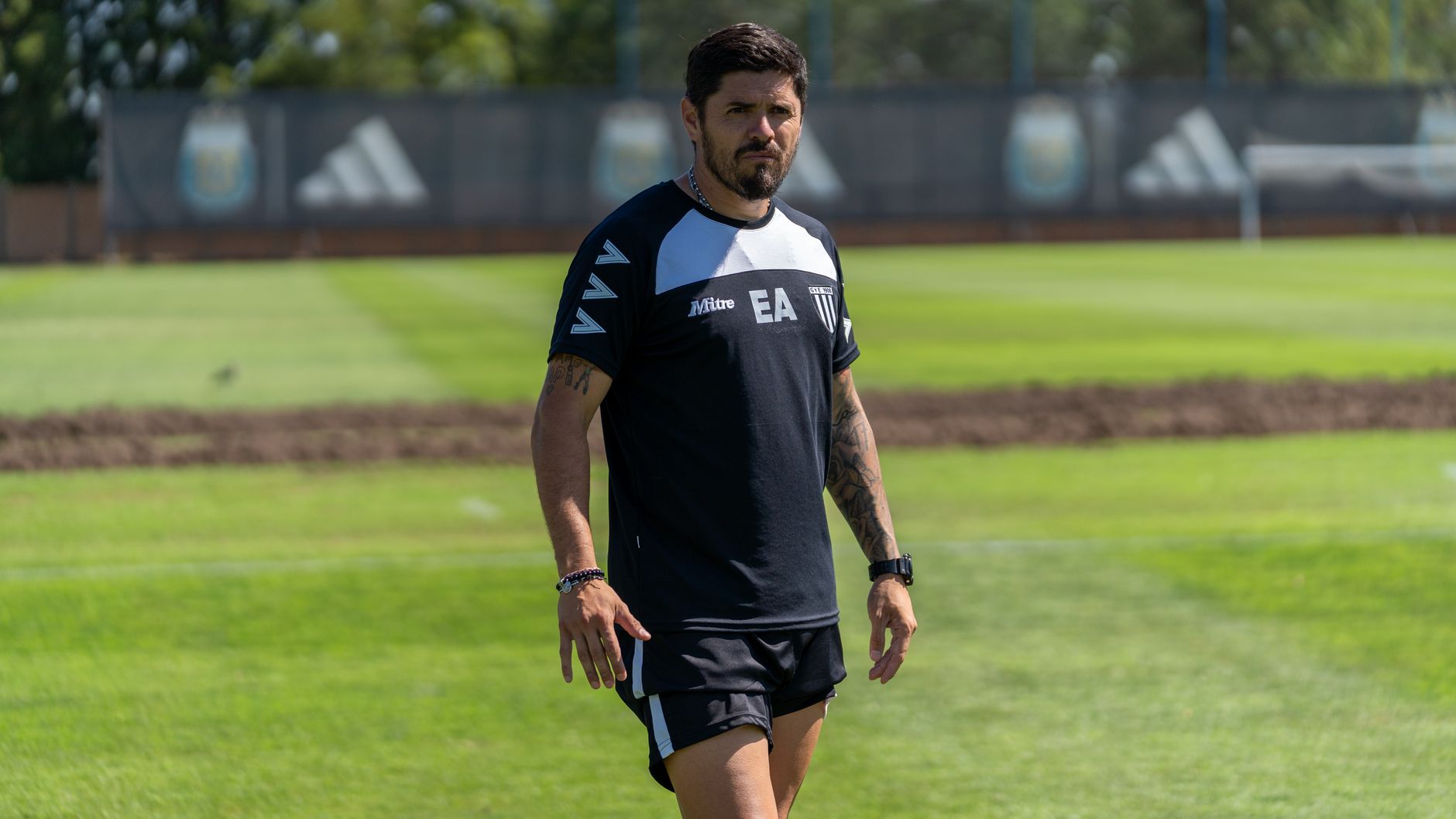
Photo by Franco Monsalvo on Pexels
Why the same formation can fail
A formation fails when its spacing, personnel or decision rules fail, not because the numbers are cursed. A slow centre-back pairing may struggle behind a high line, an inexperienced holding midfielder may lose the protection required by aggressive full-backs, and a striker without support may spend ninety minutes waving at satellites.
Common warning signs include:
- Centre-backs separated by more than the midfield can protect.
- Full-backs advancing simultaneously without a covering midfielder.
- Wingers staying too narrow, allowing the opponent’s full-backs to defend comfortably.
- The striker pressing alone while the midfield remains behind.
- A double pivot receiving with no forward-facing option.
The contrarian conclusion is that “more attackers” does not automatically mean more attacking football. A 4-2-4 can place four players high, yet leave the team unable to connect them; a balanced 4-3-3 may produce more chances because the ball reaches the final third cleanly. The CIES Football Observatory has consistently demonstrated the value of contextual performance analysis, and that principle applies here: evaluate actions within the team structure, not in isolation.
Three predictions for next quarter
The next quarter should bring three tactical trends into sharper focus. First, hybrid full-backs will become even more valuable because they can create a back three during build-up without sacrificing width in the final third. Second, coaches will use more deliberate rotation between 4-2-3-1, 4-3-3 and 3-2-5 to attack opponent pressing weaknesses. Third, recovery data and squad rotation will influence formations more visibly, especially across the long 2026 World Cup calendar.
My predictions are:
- More 3-2-5 attacking structures: Teams will use one full-back inside and one outside to control counterattacks while retaining five lanes across the front.
- More flexible defensive blocks: A 4-4-2 press will remain common because it directs opponents wide, but it will transform into 4-1-4-1 when the central midfielder drops.
- Greater value for multifunctional substitutes: A player capable of covering wing-back, full-back and midfield roles may matter more than a specialist who only fits one shape.
The final lesson is unfashionable but useful: the best formation is the one players can execute under fatigue, pressure and imperfect match conditions. Coaches may announce 4-3-3, broadcasters may show 4-2-3-1, and the match may reveal something closer to organised improvisation. After thirty years of watching clever plans collapse because one exhausted midfielder forgot the covering angle, I remain convinced that execution beats aesthetics, believe it or not — I do.
World Cup Hub tracks these changes through daily team tactics, player statistics, predictions and 2026 tournament coverage. Follow the shape, then follow the spaces.
Frequently Asked Questions
Q: What does a football formation mean?
A: A football formation describes how a team initially arranges its goalkeeper and ten outfield players across defence, midfield and attack. A 4-3-3 means four defenders, three midfielders and three forwards, excluding the goalkeeper. It is only a starting reference because teams can change shape during possession, pressing and defensive transitions. For example, Manchester City may list a 4-3-3 but build with three defenders and two midfielders behind five attacking lanes.
Q: How do you identify a football formation during a match?
A: Identify the team’s player lines when it is settled, then compare its shapes in possession and out of possession. Count the defenders, midfielders and forwards, observe full-back positioning, and note whether a winger or midfielder drops into another line. Watching the first five seconds after possession changes is particularly useful because pressing structure often exposes the team’s genuine defensive shape. Record three phases rather than relying on the television graphic.
Q: What is the difference between 4-3-3 and 4-2-3-1?
A: A 4-3-3 uses three central midfielders and usually two wingers around one striker, while a 4-2-3-1 begins with a double pivot behind an advanced attacking midfielder. The 4-3-3 can offer stronger central progression and pressing angles, whereas the 4-2-3-1 often provides safer protection in front of the centre-backs. Personnel changes the result: an aggressive 4-2-3-1 can attack like a 3-2-5, while a cautious 4-3-3 may become a compact 4-5-1.
Q: Is 4-4-2 still effective in modern football?
A: Yes, 4-4-2 remains effective when its two banks stay compact and the forwards coordinate their pressing. It gives teams clear defensive responsibilities, two natural strikers and strong options for direct transitions. Its main weakness appears against a technically superior midfield three if the wide midfielders cannot narrow inside. Atlético Madrid has shown how disciplined 4-4-2 defending can remain competitive, although the system still depends on distances and player discipline.
Q: What should a team do if its formation is not working?
A: A team should first diagnose the failing relationship before changing its formation label. Coaches can lower the defensive line, move one full-back inside, add a midfielder, widen the wingers or bring the attacking midfielder closer to the striker. If the problem is an isolated striker, changing from 4-2-3-1 to 4-4-2 may help; if the problem is counterattacks, improving rest defence may matter more than adding another forward.
Q: Does changing formation cost anything?
A: Changing formation costs training time, communication and sometimes defensive stability, but it does not require a financial fee during a match. Players must understand new pressing triggers, passing options and covering responsibilities, while substitutes may need to prepare for multiple roles. At elite level, clubs such as Liverpool and Bayern Munich invest heavily in analysis and training infrastructure, yet even they cannot eliminate adaptation errors. The practical cost is usually execution risk rather than money.
Q: Can formation analysis improve football predictions?
A: Formation analysis can improve predictions when combined with player availability, recent performance, schedule, opponent style and home advantage. A nominal 3-5-2 means little if both wing-backs are injured or the midfield cannot defend transitions. World Cup Hub uses tactical context alongside team and player data, but no formation model guarantees an outcome. Set a betting budget, avoid chasing losses and treat tactical analysis as evidence rather than certainty.
[Internal Link: 2026 World Cup match predictions and team previews]
Thank you for reading.
For those who play for more than just the thrill.
World Cup Hub · The High-Stakes Editorial · No. 01