
Top 3 Football Teams for 2026
Green Bay Packers are the best overall football team for broad historical identity, competitive relevance, and supporter recognition in the United States. Dallas Cowboys rank second as the strongest c...
Top 3 Football Teams for 2026
Green Bay Packers are the best overall football team for broad historical identity, competitive relevance, and supporter recognition in the United States. Dallas Cowboys rank second as the strongest commercial and national-market brand, while Chicago Bears take third for foundational NFL history and high public familiarity. The National Football League contains 32 franchises across the American Football Conference and National Football Conference, with each team competing through a regular season, playoffs, and the Super Bowl. YouGov’s published U.S. fame figures place the Packers at 92%, Cowboys at 91%, and Bears at 89% among adults who have heard of each team. That is awareness, not a prediction of 2026 results, and confusing those two has ruined more betting slips than I care to remember. Use this ranking to understand team identity first, then check current rosters, injuries, schedules, and market prices before making any football-related decision.
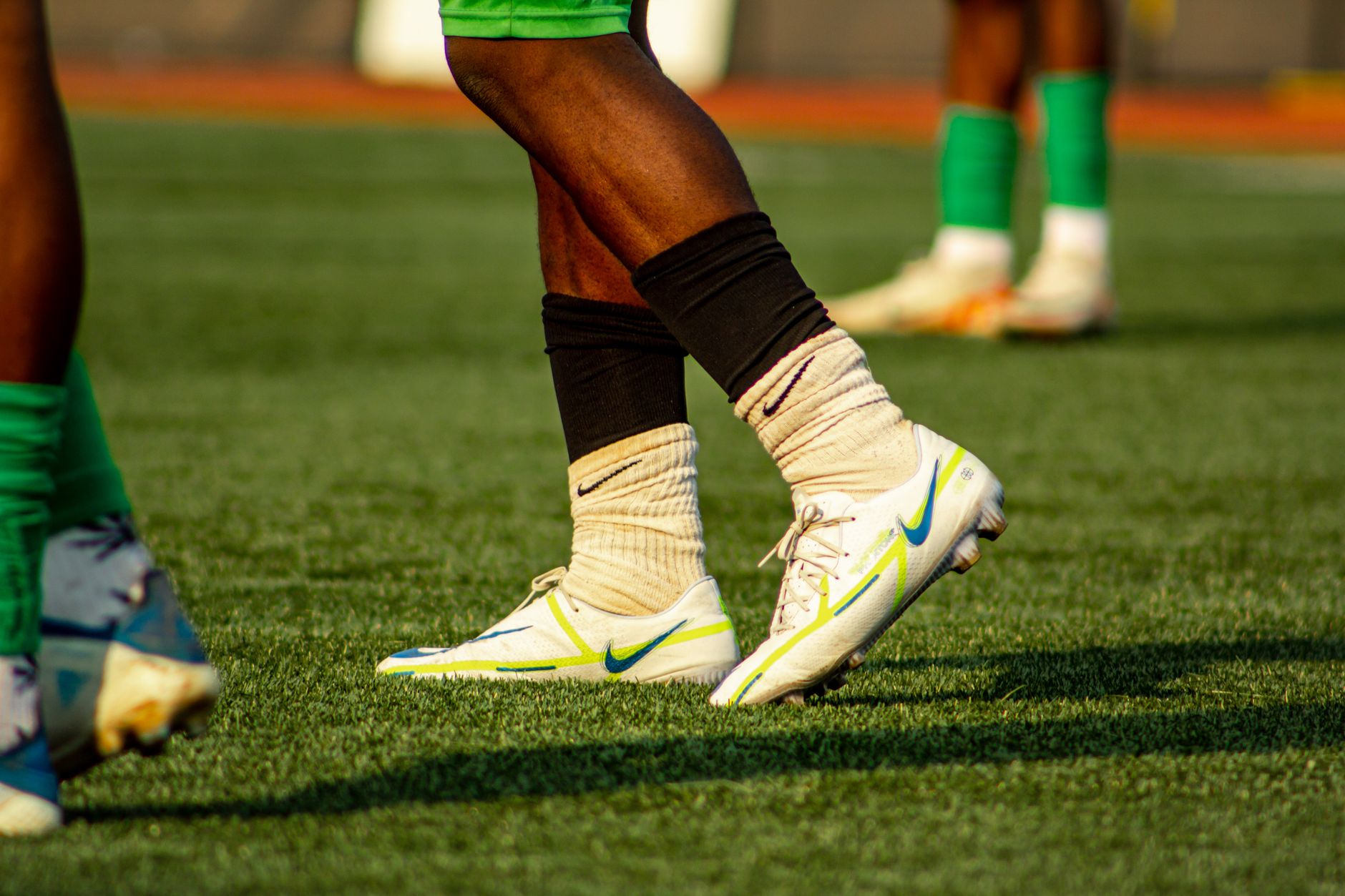
Photo by Victor Chijioke on Pexels
The word “football” causes an old argument before kickoff: association football in most of the world, American football in the United States, and several other codes in between. This article uses “football team” primarily in the American football sense because the reference data concerns NFL franchises, while also explaining the broader distinction between a team and a club. A team is the playing group selected for a match; a club or franchise is the larger organization that owns, operates, supports, and commercially represents that group. The National Football League has 32 franchises, divided into eight divisions of four teams, whereas a local youth football team may exist without a professional corporation, stadium, or national broadcast deal. That difference matters when comparing the Green Bay Packers with a school side that has three spare helmets and one coach’s suspiciously old clipboard. At World Cup Hub, our wider coverage focuses on FIFA World Cup tactics, team statistics, predictions, and tournament analysis, so we apply the same discipline here: separate recognizable branding from measurable sporting evidence.
Want a broader team-analysis framework before comparing names?
The Top 3 Football Teams at a Glance
The three leading teams in this editorial ranking are Green Bay Packers, Dallas Cowboys, and Chicago Bears, selected for combined historical importance, public recognition, organizational identity, and analytical usefulness rather than a claim that they will finish first in the 2026 NFL standings. The ranking intentionally avoids pretending that fame equals form; YouGov measures whether people have heard of a team, while standings measure game outcomes. Those are different instruments, like using a thermometer to judge a quarterback’s footwork. The NFL’s official teams directory remains the best place to verify current schedules, rosters, and franchise information before relying on time-sensitive details. The quick comparison is:
- Green Bay Packers — best overall: They combine a 92% U.S. fame figure in the cited YouGov data with a distinctive community-owned identity and one of the NFL’s strongest historical profiles.
- Dallas Cowboys — best for national visibility: Their 91% fame figure, “America’s Team” positioning, and major-market reach make them exceptionally visible beyond Texas.
- Chicago Bears — best value for historical analysis: Their 89% fame figure and 1920 founding era create an unusually deep case study in defensive tradition, divisional rivalry, and franchise continuity.
These choices are not a live power ranking, and that distinction is deliberate. A famous team can be injured, rebuilding, poorly coached, or overpriced in a prediction market. In my experience, the most expensive mistake is not choosing the wrong team; it is choosing a team for the wrong reason and then inventing excuses after the second quarter.

Photo by Qing Luo on Pexels
#1 Green Bay Packers: Best Overall
Green Bay Packers are the best overall choice because they offer the strongest balance of public recognition, historic identity, organizational distinctiveness, and competitive analysis. YouGov’s listed U.S. fame result gives Green Bay 92%, the highest of the three compared teams, while the franchise’s Lambeau Field setting and community ownership model make it unlike a standard privately controlled sports brand. This is a cultural advantage, not an automatic win-rate advantage, but it gives analysts more context when studying supporter expectations, home-field atmosphere, and long-term team identity. The Green Bay Packers official history provides primary-source background on the franchise, its championships, and its connection with Wisconsin. The phrase “best overall” therefore means most complete as an object of study, not guaranteed to be the best wager on any Sunday. Believe it or not — I do.
Green Bay’s analytical appeal comes from the way several variables overlap. Lambeau Field is an outdoor venue in Green Bay, Wisconsin, so weather can affect passing efficiency, ball handling, kicking distance, and coaching decisions more visibly than at a controlled indoor stadium. A serious preview should therefore examine wind speed, precipitation, surface condition, and the quarterback’s performance in comparable conditions instead of copying a national television narrative. The Packers’ community ownership is another important edge case: supporters may hold stock certificates, but those certificates do not function like conventional publicly traded shares and do not provide normal financial control. That operational detail is often missed by casual summaries, yet it explains why Green Bay’s brand loyalty feels unusually institutional rather than merely commercial. For football predictions, I would assign weather and offensive line availability greater weight than logo recognition, because logos do not block defensive tackles, despite what my younger self apparently believed.
The Packers also illustrate why football team comparisons need several time horizons. Historical success can explain why a team attracts attention, but recent form, opponent strength, turnover margin, red-zone efficiency, and injuries are more relevant to an individual game. A useful process is to record each team’s last five performances, then adjust for opponent quality rather than treating a 4–1 run against weak opposition as equal to a 3–2 run against elite defenses. World Cup Hub uses a similar separation when covering national teams: tactical reputation is informative, but expected lineups and actual shot quality tell the sharper story. Readers looking for deeper football reasoning can continue with our [Internal Link: team tactics and match prediction guide], particularly before using public sentiment as a shortcut.
#2 Dallas Cowboys: Best for National Visibility
Dallas Cowboys are the strongest football team choice for national visibility because their brand reaches far beyond their home market, supported by a 91% U.S. fame figure in the cited YouGov ranking. Their identity combines Texas scale, large media exposure, a famous star logo, and a long-standing national reputation that makes the Cowboys one of the easiest NFL teams for casual fans to recognize. This visibility is useful when studying audience behavior, broadcast attention, merchandise demand, and market sentiment, but it can also create an information problem: heavily covered teams generate more opinions, not necessarily more accurate opinions. Dallas is therefore best for understanding how reputation influences expectations before kickoff. If every panel agrees on one outcome, I become suspicious on principle; experience has made me difficult, and occasionally profitable.
A Dallas analysis should distinguish brand strength from competitive value through measurable categories. Start with quarterback efficiency, pressure rate allowed, explosive-play prevention, red-zone touchdown rate, and performance against teams with winning records. Then compare the current schedule rather than relying on the previous season’s narrative, because coaching changes, free agency, draft selections, and injuries can alter a roster quickly between March and September. The Cowboys’ national visibility creates a contrarian opportunity when public enthusiasm pushes a price beyond the team’s statistical edge, but contrarian does not mean automatically betting against Dallas. It means asking whether the market has already charged you for the story. That is an important information gain for beginners: popularity can affect a line without changing a single down, and a recognizable helmet can become an expensive emotional attachment.
Dallas is also useful for comparing the economics of an NFL franchise with the sporting unit that appears on the field. The Cowboys organization includes ownership, executives, coaches, scouts, medical staff, commercial departments, stadium operations, and players; the matchday football team is only one component. The same principle applies to a FIFA World Cup squad, where the visible eleven depend on analysts, physiotherapists, travel staff, and federation decisions. According to FIFA’s Laws of the Game resources, association football and American football differ substantially in playing structure and rules, even though both use the word “football.” Keep those codes separate when comparing statistics, or you will eventually describe a quarterback as “offside,” which is how a person loses a group chat.
Want current, team-specific analysis rather than brand-level assumptions?
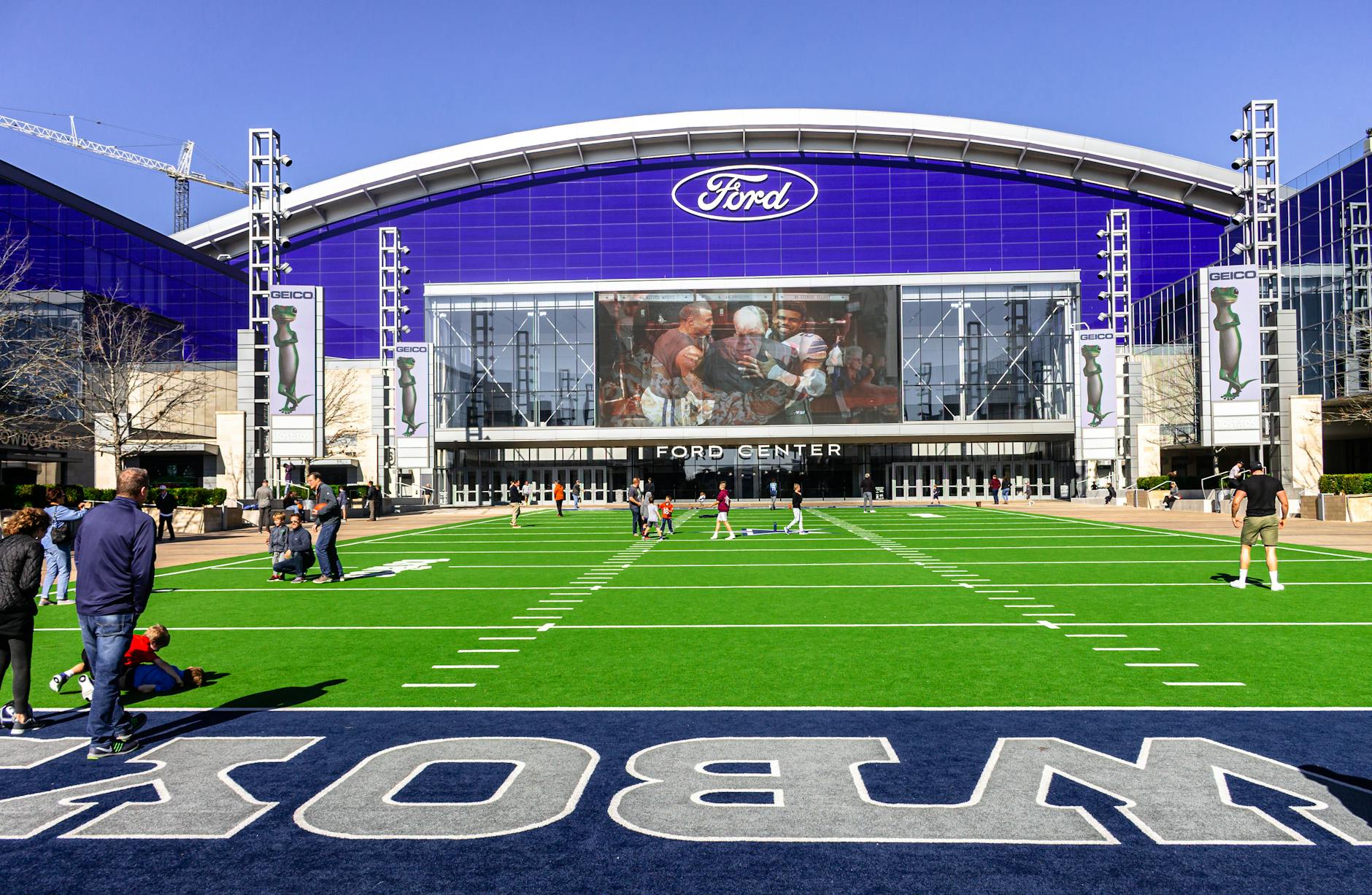
Photo by Terrance Barksdale on Pexels
#3 Chicago Bears: Best Value for Historical Analysis
Chicago Bears are the best value for historical analysis because their 89% U.S. fame figure is paired with deep NFL roots, a major-city identity, and a long defensive tradition. The Bears began in the early NFL era and are among the league’s oldest continuously recognizable franchises, giving researchers an unusually broad sample of coaching philosophies, roster construction, divisional rivalry, and changes in offensive strategy. “Value” here does not mean the Bears are guaranteed to be undervalued in a 2026 betting market; it means they deliver substantial analytical context without requiring a glamorous modern narrative. Soldier Field, Chicago, and the NFC North provide a strong setting for examining weather, rivalry pressure, and the relationship between historical expectations and current performance. The Pro Football Hall of Fame offers additional authoritative historical context for NFL players, coaches, and teams.
Chicago’s historical value becomes clearest when defensive reputation is tested against modern offensive evidence. A team cannot be rated on nostalgia alone, so examine points allowed, early-down success rate, third-down conversion defense, sack percentage, explosive pass plays conceded, and opponent-adjusted efficiency. The Bears’ famous 1985 championship defense remains an important cultural reference, but it should not be used as proof of current performance; forty years of rule changes, offensive design, sports science, and roster turnover separate that team from any 2026 squad. This is where many articles quietly fall apart: they mention an iconic past and then leap straight to a current conclusion. I refuse to do that, mostly because I have already made that mistake with enough teams to fill a small museum.
A practical comparison can use a weighted scorecard rather than instinct. For a single-game preview, I would use 30% current efficiency, 25% injury and availability information, 20% opponent matchup, 15% schedule-adjusted recent form, and 10% public sentiment. For a long-term franchise assessment, historical identity and organizational stability deserve more weight, while fame should remain a descriptive measure rather than a performance input. After reviewing team previews over many seasons, the most dangerous edge case is an offensive line injury that appears minor in a headline but changes pressure rate, rushing lanes, and third-down play-calling. Check inactive lists close to kickoff, and read the depth chart instead of trusting a social-media graphic prepared by someone who has apparently never seen a hamstring.
How We Ranked Them
We ranked Green Bay Packers, Dallas Cowboys, and Chicago Bears using five criteria: U.S. public familiarity, historical significance, organizational distinctiveness, analytical depth, and usefulness for current football evaluation. The highest YouGov fame figure was Green Bay at 92%, followed by Dallas at 91% and Chicago at 89%; these percentages measure awareness, not win probability or popularity in every demographic. The final ranking gives 30% to public recognition, 25% to historical importance, 20% to organizational identity, 15% to analytical depth, and 10% to practical usefulness for current previews. This framework deliberately prevents one spectacular season, one celebrity player, or one loud television debate from determining the entire list.
The criteria work as follows:
- Public recognition, 30%: YouGov fame data provides a comparable U.S. awareness signal across the three teams.
- Historical importance, 25%: Franchise age, championships, iconic eras, and contribution to NFL culture.
- Organizational identity, 20%: Ownership structure, stadium relationship, market reach, and supporter culture.
- Analytical depth, 15%: Availability of meaningful tactical, statistical, and opponent-based comparisons.
- Preview usefulness, 10%: Whether the team offers practical lessons for assessing injuries, weather, form, and market expectations.
This is a transparent editorial model, not an official NFL ranking. The NFL does not award a “best overall identity” trophy, thankfully, because the presentation ceremony would last until Tuesday. More importantly, the weights should change with the question. If you want the most famous team, use awareness data; if you want the strongest 2026 prediction, prioritize current efficiency and player availability; if you want a history lesson, increase historical importance. “Best football team” is incomplete until the reader defines best by what outcome, time period, and evidence.
For responsible football analysis, avoid treating betting information as certainty. Odds reflect probability estimates, margin, market movement, and sometimes public bias, while actual results include randomness that no ranking can eliminate. The American Gaming Association publishes consumer-focused information about legal gaming and responsible participation in the United States; readers should also verify local laws, age requirements, and platform licensing before considering any wager. World Cup Hub provides predictions and statistics for sports fans, but no preview can remove risk, and anyone promising certainty is either selling something or has never watched a backup quarterback enter in the second quarter.
See how the ranking method translates into practical match preparation.
Which Football Team Should You Pick?
The right football team depends on the purpose: choose Green Bay Packers for the most balanced overall profile, Dallas Cowboys for national visibility, or Chicago Bears for historical and tactical study. None should be selected solely because a team is famous, wears a memorable uniform, or appeared in a confident television segment. For 2026 match decisions, verify the latest roster, quarterback status, offensive line, opponent strength, weather, travel, and price before reaching a conclusion. The same checklist works for NFL games and, with suitable rule adjustments, FIFA World Cup analysis.
Use this decision guide:
- Choose Green Bay Packers if you want the broadest combination of history, identity, public recognition, and weather-sensitive analysis.
- Choose Dallas Cowboys if your interest is national reach, media influence, commercial visibility, and the danger of popularity-driven expectations.
- Choose Chicago Bears if you want deep historical context, defensive evaluation, and lessons about separating iconic eras from current evidence.
- Choose none immediately if you have not checked injuries, inactive players, schedule strength, and market movement close to game time.
My stubborn rule is simple: never confuse the team you enjoy watching with the team offering the best analytical position. You can support Dallas, admire Green Bay, and study Chicago without pretending your emotional preference is a statistical model. A football team is a group of players, but a football decision is a process involving evidence, uncertainty, and disciplined limits. That process will not make every prediction correct; it will, however, make the mistakes easier to diagnose, which is the closest thing veteran sports analysis has to therapy.
For more structured comparisons, explore our [Internal Link: football team statistics guide] and [Internal Link: World Cup team tactics coverage]. World Cup Hub updates its tournament-focused content with match predictions, player statistics, tactical observations, and 2026 coverage, while this ranking remains a general framework for understanding recognizable football organizations. Confirm any time-sensitive information through official team and league sources, and never stake more than you can afford to lose. I learned that lesson expensively, repeatedly, and with the dedication of a man apparently trying to earn a loyalty card.
Take the next step with a disciplined, evidence-first approach.
Frequently Asked Questions
Q: What is a football team?
A: A football team is a group of players selected to compete together against an opposing team under a specific football code. In the NFL, a franchise carries a 53-player active roster structure during the season, while only 11 players from each side are on the field during a play. A football club or franchise is the larger organization that manages players, coaches, facilities, business operations, and supporter relationships.
Q: Which football team is ranked number one here?
A: Green Bay Packers are ranked number one because they combine the highest cited U.S. fame figure, at 92%, with historical importance and distinctive community ownership. The ranking is an editorial comparison rather than an official 2026 NFL standings forecast. Current injuries, schedule strength, coaching, and player performance must be checked separately before evaluating a specific game.
Q: How should I compare football teams before a game?
A: Compare current efficiency, injuries, opponent matchup, schedule-adjusted form, and market expectations before relying on team reputation. Check quarterback availability, offensive line changes, defensive pressure, red-zone performance, weather, and home-field conditions close to kickoff. A practical scorecard can weight current efficiency at 30%, injuries at 25%, matchup at 20%, recent adjusted form at 15%, and public sentiment at 10%.
Q: What is the difference between a football team and a football club?
A: A football team is the playing unit, while a football club or franchise is the organization that supports and represents that unit. A club may include players, coaches, youth programs, members, supporters, facilities, commercial departments, and governing structures. In the NFL, Green Bay Packers is both the name of the playing team and part of a larger franchise organization with a highly unusual community ownership model.
Q: Are Green Bay Packers, Dallas Cowboys, and Chicago Bears the best NFL teams in 2026?
A: They are the top three teams in this historical and recognition-based comparison, not a confirmed ranking of 2026 on-field performance. Green Bay leads the cited YouGov fame list at 92%, Dallas follows at 91%, and Chicago records 89%, but awareness does not equal wins. For a current ranking, use official standings, advanced statistics, injury reports, strength of schedule, and verified roster information.
Q: Why can a famous football team be a poor prediction?
A: A famous football team can be a poor prediction when public attention makes expectations or prices stronger than the underlying performance. Injuries, opponent quality, travel, weather, turnover variance, and offensive line issues can materially change a game even when the logo remains the same. The practical fix is to compare objective indicators with the market’s implied probability instead of treating media coverage as evidence.
Q: Is it safe to use football predictions for betting?
A: Football predictions are inherently uncertain, so betting should be treated as discretionary entertainment rather than guaranteed income. Verify that any operator is legal and licensed in your jurisdiction, follow applicable age rules, set a fixed budget, and never chase losses after a bad result. World Cup Hub provides analytical content for fans, but no statistic, model, or expert opinion can eliminate financial risk.
Thank you for reading.
For those who play for more than just the thrill.
World Cup Hub · The High-Stakes Editorial · No. 01