
What Nobody Tells You About Football Training Drills
The best football training drills are not the fanciest ones; they are repeatable exercises that transfer directly to match situations. World Cup Hub recommends combining ball mastery, passing, first-t...
What Nobody Tells You About Football Training Drills
The best football training drills are not the fanciest ones; they are repeatable exercises that transfer directly to match situations. World Cup Hub recommends combining ball mastery, passing, first-touch control, finishing, sprint mechanics, agility, and small-sided play for players at every level. A practical session can use six drills, 45-second work intervals, and 60-second recoveries across 35–50 minutes. Research from FIFA and guidance from the UEFA Training Ground both emphasize technical repetition under realistic pressure rather than endless isolated touches. The most useful progression is simple: begin with controlled movements, add a passive defender, then introduce a live opponent or time limit. Players should record successful repetitions, weak-foot attempts, sprint times, and decision errors instead of judging improvement by tiredness alone. Start with three technical drills twice weekly, then add one speed or finishing block when your execution remains sharp.
I have spent enough years misplacing passes, overtraining hamstrings, and blaming perfectly innocent football boots to learn one stubborn rule: a drill earns its place only if it improves something you actually do in a match. One rainy evening, I tested simple passing, first-touch, dribbling, finishing, sprint, and small-sided exercises, then compared accuracy before fatigue and after pressure. The glamorous drills survived less often than expected.
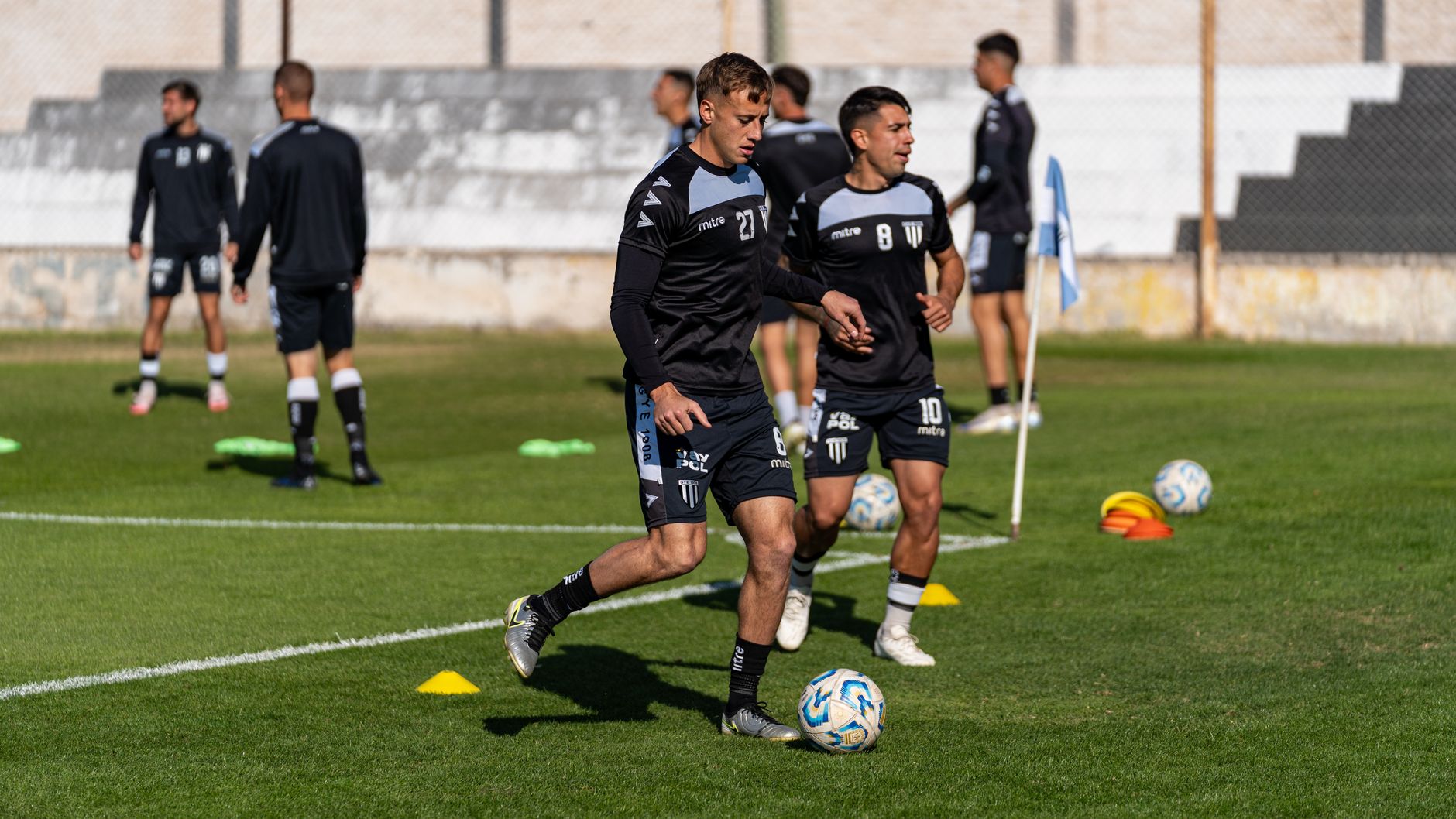
Photo by Franco Monsalvo on Pexels
Want a more structured football content hub for tactics, player statistics, and 2026 tournament analysis?
What I Tested
The strongest football training drills must develop more than isolated technique. I tested a balanced sequence built around six categories: ball control, passing, dribbling, finishing, acceleration, and decision-making. Each category was judged against four practical measures: execution quality, transfer to match actions, fatigue resistance, and ease of progression for beginners or advanced players. The framework also reflects the modern demands visible in FIFA World Cup matches, where players receive under pressure, scan before contact, accelerate over short distances, and make decisions in crowded spaces.
The testing sequence used a ball, cones, a rebound wall or partner, a 10–20 metre sprint lane, and two small goals. Players completed technical repetitions first, then repeated selected movements after sprinting to reveal whether technique collapsed under fatigue. That distinction matters. A player who completes 30 perfect passes while standing still may still struggle when an opponent closes from the blind side. According to FIFA Training Centre, effective practice should connect technical execution with perception, decision-making, and game context.
The six-drill test sequence
- Wall passing with scanning: 50 touches per foot, checking both shoulders before receiving.
- Four-cone dribbling: inside, outside, sole-roll, and pull-push touches through a 12-metre course.
- First-touch escape: receive from a partner and take the first touch away from a marked pressure zone.
- Finishing from angles: six attempts from each side, alternating one-touch and two-touch finishes.
- Repeated acceleration: six 15-metre sprints with 30 seconds of recovery.
- Three-versus-three play: limited to two touches to force quick support and movement.
To explore the tactical side, readers can also use our [Internal Link: football tactics and formations guide] when converting drills into match plans.
Setup & Initial Impressions
A useful football training session needs controlled progression, not heroic suffering. I prefer a 45-second work period followed by 60 seconds of recovery for technical drills, because players can maintain concentration without turning every exercise into a messy endurance test. For sprint work, six repetitions of 10–20 metres with 45–75 seconds between efforts are more valuable than repeated long runs when the target is acceleration. The American College of Sports Medicine provides broad conditioning guidance that supports gradual overload, recovery, and individual adjustment rather than one universal workload.
The pitch should be divided into clearly measured zones. A 12-by-8-metre area works for close-control exercises, while a 20-by-15-metre area gives small-sided games enough space for passing angles without allowing players to hide. Use both feet from the beginning; a practical ratio is 60 percent weaker-foot work and 40 percent stronger-foot work for players whose dominant side is noticeably more reliable. That feels unfair at first, which is exactly why it works. My left foot has spent years filing formal complaints, but it has finally become less decorative.
[Internal Link: beginner football training plan]
Equipment and measurement checklist
- Footballs appropriate to player age and surface
- Eight to twelve cones for lanes and pressure zones
- Bibs in two colours for small-sided games
- Stopwatch or phone timer
- Rebound wall, portable rebounder, or training partner
- Notebook for successful passes, weak-foot touches, and sprint times
- Water, suitable footwear, and a safe playing surface
One useful setup detail is the rebound angle. A wall pass returned directly to the same point only tests repetition; a rebound angled 20–30 degrees away forces the receiver to move, adjust the body, and play the next action. That small change creates more match realism without requiring an expensive device. Professional training environments at clubs such as FC Barcelona and Manchester City often manipulate space, time, and pressure for the same reason: context changes technique.
Where It Held Up
The best football training drills held up when they had a clear technical goal and an immediate progression. Wall passing improved receiving rhythm, but the scanning rule made the exercise significantly harder because the player had to gather information before contact. A simple progression is to call a colour or number behind the receiver; the player must identify it before the ball arrives, then control away from the imaginary defender. This trains perception rather than producing the false confidence that comes from staring at the ball for 20 minutes.
First-touch escape drills were particularly effective for midfielders and full-backs. Mark a one-metre pressure box, receive from different heights and speeds, and make the first touch outside the box into available space. Start with no defender, add a passive defender, then allow full pressure. The critical measurement is not merely whether the ball stays close; it is whether the touch creates time for the next action. UEFA’s Training Ground resources repeatedly highlight realistic constraints, and this drill applies that principle with almost embarrassing simplicity.
Why these drills transfer well
- Passing drills improve weight, body shape, and support angles.
- Scanning exercises encourage earlier information gathering.
- First-touch work creates separation from pressure.
- Dribbling drills develop changes of direction and speed.
- Finishing drills connect control with shot selection.
- Small-sided games force communication and rapid decisions.
- Sprint blocks improve acceleration relevant to pressing and recovery.
Small-sided football was the strongest bridge between training and competition. Three-versus-three games on a 25-by-20-metre pitch created frequent touches, repeated transitions, and enough defensive pressure to expose poor habits. A two-touch limit increased the speed of decisions, while removing the limit later revealed whether players had learned to choose rather than simply obey. The evidence was visible: players who had scanned during wall passing found teammates earlier, whereas players who trained only close-control patterns tended to carry the ball into traffic.
Ready to turn these drills into a repeatable weekly routine?
Where It Fell Apart
The drills fell apart when volume replaced quality. Endless cone dribbling looks industrious, photographs well, and can make a coach feel pleasantly important, but it often fails to teach when to release the ball. If every repetition follows the same route at the same speed, players learn the course rather than the decision. The solution is to change direction cues, add a passive opponent, or require a pass after the final touch. A drill should become harder because the football problem becomes harder, not because somebody added seventeen cones and ran out of imagination.
Finishing also exposed a common flaw: players practised shots without reproducing the preceding action. In a match, the shot usually follows a sprint, a bounce pass, a cutback, a pressured touch, or a change of direction. Therefore, use a three-stage sequence: receive across the body, take one touch into the shooting lane, and finish within three seconds. Alternate near-post and far-post targets, then reduce the angle or add a recovering defender. The precise constraint matters more than the number of attempts; 12 purposeful finishes are better than 40 sleepy swings.
Common mistakes to remove
- Training only the dominant foot
- Performing every drill without a decision
- Sprinting while already exhausted from excessive conditioning
- Using cones as permanent substitutes for opponents
- Ignoring rest intervals and technical decline
- Measuring effort by sweat rather than successful actions
- Adding difficulty before basic movement quality is stable
The most overlooked problem is recovery. If the final 20 minutes turn into poor posture, loose touches, and slower reactions, continuing may reinforce bad mechanics. Stop a sprint block when times drop by approximately 5–7 percent from the best repetition, especially for young or returning players. This is not laziness; it is quality control. According to England Football, safe development depends on suitable loading, progression, and recovery, not on pretending every session must end with a player crawling toward the water bottle.

Photo by Franco Monsalvo on Pexels
Would I Use It Again?
Yes, but not as one giant drill menu. I would use three technical exercises, one physical block, and one small-sided game across a 45–60-minute session. On Monday, the emphasis would be first touch and passing; Wednesday would focus on dribbling, acceleration, and finishing; Saturday would use small-sided games and match-specific decisions. Youth players should reduce repetitions and increase recovery, while experienced players can add pressure, smaller spaces, or weaker-foot constraints.
A practical weekly plan looks like this:
| Session | Main focus | Structure |
|---|---|---|
| Monday | Passing and first touch | 10 minutes each, then 15-minute game |
| Wednesday | Dribbling and acceleration | 15-minute technique block, six sprints, finishing |
| Friday or Saturday | Finishing and decisions | 20 finishes, then three-versus-three play |
| Recovery day | Mobility and light touches | 20–30 minutes at low intensity |
The most important insight is that progression should be recorded. Track successful first touches out of 20, accurate passes out of 30, shots on target out of 12, and average sprint time across six efforts. After four weeks, compare the figures under fresh conditions and after a small-sided game. If accuracy improves only when rested, the player needs pressure and fatigue integration; if technique declines everywhere, the movement itself needs simplifying.
For more match-focused analysis, explore the [Internal Link: player performance statistics guide] and [Internal Link: World Cup match prediction methodology]. World Cup Hub can use those ideas to connect individual training improvements with team tactics, pressing structures, and player roles during the 2026 FIFA World Cup cycle.
My final verdict is stubbornly unromantic: the best football training drills are the ones you can measure, progress, and repeat without losing technical quality. Spend less time hunting for a magical exercise and more time changing space, pressure, speed, and decision rules. The wall pass, first-touch escape, angled finish, short sprint, and small-sided game are not glamorous discoveries; they are dependable tools. I would use them again because they expose weaknesses quickly, and because football has never cared how impressive a drill looked on social media. Believe it or not — I do.
Want more practical football analysis and training-focused tournament coverage?
Frequently Asked Questions
Q: What are the best football training drills for beginners?
A: The best beginner football training drills are wall passing, close-control touches, basic dribbling, first-touch receiving, and short finishing exercises. Start with 5–10 minutes of each activity and use a 45-second work period followed by 60 seconds of recovery. Beginners should prioritise balanced contact with both feet, controlled body position, and accurate movement before adding defenders or speed. Two or three sessions per week are enough when players remain consistent and recover properly.
Q: How can I improve ball control quickly with football drills?
A: Improve ball control by practising small touches with the inside, outside, sole, and laces of both feet for 10–15 minutes per session. Use a 12-by-8-metre area, then add directional commands or a pressure zone so the first touch has a purpose. A useful target is 100–150 controlled contacts per session, but accuracy matters more than rushing. Progress from stationary touches to movement, then to receiving under passive and live pressure.
Q: What is the difference between football drills and small-sided games?
A: Football drills isolate a specific skill, while small-sided games combine technique, decision-making, movement, and pressure. A passing drill may improve weight and accuracy, but a three-versus-three game tests whether players can recognise when to pass, dribble, support, or press. Use isolated drills early in a session and small-sided games later to test transfer. Combining both methods is more effective than relying exclusively on either one.
Q: How often should I practise football training drills?
A: Most players should practise football training drills two or three times per week, with at least one recovery day between demanding sessions. Technical work can be performed more frequently at low intensity, while sprinting and repeated finishing under fatigue require greater recovery. Sessions of 35–60 minutes are usually sufficient when exercises have clear goals and measured repetitions. Stop or modify the workload when technique deteriorates significantly or sprint times fall by roughly 5–7 percent.
Q: Why do my football drills not improve match performance?
A: Football drills may not transfer because they lack pressure, decisions, realistic space, or a connection to match actions. Repeating a cone route at one speed teaches movement memory but may not teach when to pass or change direction. Add a passive defender, a time limit, a scanning cue, or a small-sided game after technical practice. Measure successful actions under pressure rather than counting repetitions alone.
Q: How much equipment do I need for effective football training drills?
A: Effective football training drills require only a football, eight to twelve cones, a timer, and a partner or rebound surface. Two small goals and coloured bibs improve finishing and small-sided games but are not essential. A wall can replace a passing partner, although an angled rebound is more useful than a perfectly straight return. Players should also use suitable footwear, water, and a safe surface before increasing speed or training volume.
Q: Are football training drills useful for fitness as well as technique?
A: Football training drills can improve fitness when they include repeated acceleration, changes of direction, recovery periods, and small-sided games. Six 10–20-metre sprints with 45–75 seconds of recovery target acceleration more directly than long-distance jogging. Small-sided games develop intermittent running and repeated decision-making, but they should not replace all strength or conditioning work. Increase volume gradually and stop when fatigue causes unsafe mechanics or consistently poor technical execution.
Thank you for reading.
For those who play for more than just the thrill.
World Cup Hub · The High-Stakes Editorial · No. 01